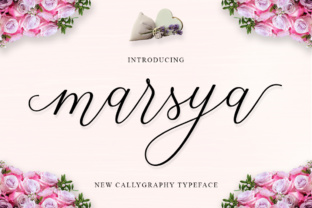
Marsya Font: Elevating Web Design with Elegant Script Typography
In the fast-paced world of digital product creation, the difference between a landing page that converts and one that gets scrolled past often comes down to visual hierarchy and emotional resonance. As web designers, we are constantly searching for typefaces that do more than just display text; we need fonts that establish a brand tone instantly. Marsya emerges as a standout choice in this regard, offering an elegant mix of classic beauty with a modern twist that feels right at home in contemporary UI design. This script font is not merely a decorative element; it is a strategic tool for crafting memorable online identities.
At its core, Marsya is designed for elegance. Its strokes flow with a natural rhythm that mimics high-end handwriting, yet it maintains the structural integrity required for digital readability. Unlike many handwritten fonts that sacrifice legibility for flair, Marsya strikes a careful balance. The character shapes are open and distinct, ensuring that even on smaller mobile screens, the message remains clear. For a UI designer working on a boutique e-commerce site or a coaching platform, this clarity is paramount. You want your visitors to feel the sophistication of the brand without struggling to decipher the headline.
Strategic Applications in Digital Layouts
The versatility of Marsya makes it an exceptional asset for various sections of a website. It shines brightest in hero sections and main headers where the goal is to capture attention within seconds. Imagine a landing page for a luxury skincare line; placing Marsya in the primary headline immediately signals premium quality and care. The font's inherent grace sets a mood that a standard sans serif simply cannot achieve on its own.
Beyond the hero section, Marsya excels in creating visual breaks and accentuating key messages. It is perfect for:
- Call-to-Action Buttons: When used sparingly on buttons like "Join Us" or "Shop Collection," it adds a personal, inviting touch that can increase click-through rates.
- Testimonial Headers: Using Marsya for the names of clients or the introductory phrase of a review adds a human element to social proof.
- Section Dividers: Short phrases like "Our Story" or "The Process" look stunning when rendered in this typeface, acting as elegant signposts through the content.
- Logo Design: For startups and creative entrepreneurs, Marsya provides a ready-made logotype that feels bespoke and professional.
However, context is everything. While Marsya is a powerful display font, it is not intended for long-form body copy. In web design, readability dictates that paragraphs should be set in a clean sans serif or a highly legible serif font. Marsya works best when paired with these neutral typefaces. For instance, pairing Marsya with a geometric sans serif creates a dynamic contrast that guides the user's eye naturally from the emotional hook of the headline to the informative details of the body text.
Enhancing Brand Identity and Trust
Brand identity is built on consistency, and typography is a pillar of that consistency. When you integrate Marsya into your design assets, from social media graphics to email headers, you create a cohesive visual language. This consistency fosters trust. Users subconsciously associate polished, well-chosen typography with professionalism and reliability. A chaotic or poorly chosen font can make a SaaS founder's platform feel amateurish, whereas a refined script like Marsya elevates the perceived value of the service.
The true power of Marsya lies in its extensive set of alternates and stunning swashes. As a digital creator, you know that repetition is the enemy of engaging design. If every "S" or "T" looks exactly the same across a banner, the design feels static and automated. Marsya solves this by allowing you to swap glyphs easily. You can create unique ligatures and flowing connections that make the text feel truly handwritten and organic. This level of customization is crucial for high-end editorial design and packaging design concepts translated to the web.
Optimizing for Readability and Responsiveness
Deploying a script font on the web requires a keen eye for technical execution. To ensure Marsya performs well across all devices, consider the following practical guidelines:
- Size Matters: Script fonts generally require a larger font size than sans serifs to remain legible. On mobile devices, ensure your H1 and H2 tags using Marsya are scaled up sufficiently so the delicate strokes do not disappear or blur.
- Contrast is Key: Because of its flowing nature, Marsya needs strong contrast against its background. Avoid placing it over busy images or low-contrast patterns. Solid colors or subtle gradients work best to let the letterforms breathe.
- Whitespace: Give Marsya room. Tight line heights can cause swashes to collide with adjacent lines of text, ruining the aesthetic and confusing the reader. Increase your line-height CSS properties when using this typeface.
- Webfont Performance: Ensure you are loading the correct file formats (WOFF2) to maintain fast load times. A beautiful font is useless if it delays your page render and hurts your SEO scores.
When designing for dark backgrounds, such as a footer or a modal window, test the weight of the font carefully. Sometimes, the thin strokes of a script can get lost against deep blacks. In these cases, utilizing a slightly bolder weight or adding a subtle text shadow can preserve the integrity of the design.
Licensing and Professional Implementation
For agencies and freelancers managing client projects, understanding licensing is non-negotiable. Marsya, like other premium fonts available through marketplaces like Script Amp, typically comes with specific terms for commercial use. Before embedding it in a client's online store, a paid course page, or a mobile app interface, verify that your license covers web embedding and the expected traffic volume. Many premium font licenses distinguish between desktop use (for creating images) and webfont use (for live text). Ensuring you have the proper commercial font license protects both you and your client from legal complications down the road.
Furthermore, check the multilingual support if you are designing for a global audience. A modern typeface should ideally support a wide range of characters to accommodate international branding efforts. Marsya's design philosophy suggests a focus on broad usability, making it a viable candidate for diverse markets, provided the specific character set meets your project's linguistic requirements.
In conclusion, integrating Marsya into your web design toolkit offers a pathway to more sophisticated, emotionally engaging digital experiences. It bridges the gap between the warmth of traditional calligraphy and the precision required for modern user interfaces. By leveraging its alternates, respecting its readability limits, and pairing it thoughtfully with supporting typography, you can create brand-focused web experiences that not only look beautiful but also drive engagement and conversion. Whether you are building a portfolio site to showcase your work or launching a new product line, Marsya provides the elegant foundation your design needs to stand out in a crowded digital landscape.